Blog & guides / Behind the scenes
Before a sealed box reaches the shelf: how we check for reseals
PokéStore Direct · October 7, 2026 · 6 min read
Every sealed box we take in gets checked on a bench, not on a shelf.
Second-hand sealed product is the highest-risk thing in this business, and the boxes that fool people are almost never obviously fake. They are real boxes, opened, thinned and rewrapped by someone who bought decent shrink film. Here is the sequence we run, in order, before anything is priced.
Start with the seal.
Factory wrap runs one continuous seam across each panel, with the overlap where the machine folded it. A second seam, an overlapping seam at a strange angle, or tape residue under the plastic is the clearest single signal of a reseal. Run your thumb along every edge. Factory sealing feels uniform and slightly tight, and it does not have a soft, loose section where somebody stretched film by hand.
Check for vent holes.
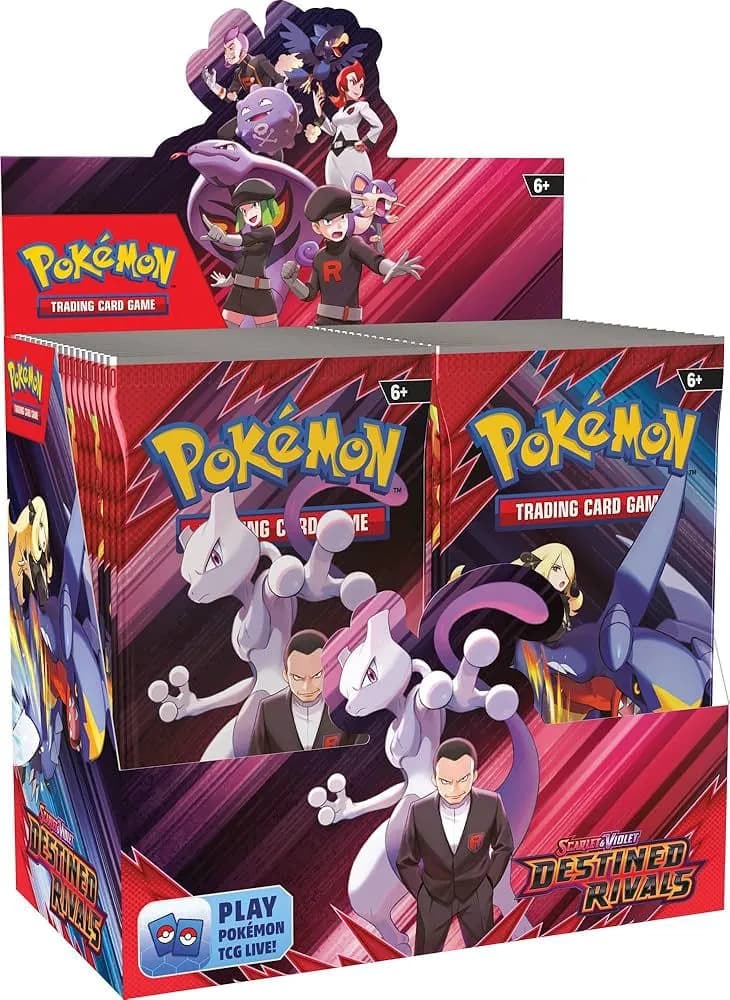
Factory-wrapped Pokemon booster boxes have small vent holes punched through the shrink wrap, usually near the top and bottom, so the film does not balloon in transit. Off-the-shelf film from a packaging supplier does not have them. No holes is a serious problem, and it is the fastest check on the list. Hold the box so the light rakes across the plastic and the holes show as a neat pair of pinholes on each face.
Look for the Pokeball stamp.
Modern boxes have small Pokeball logos printed directly onto the wrap. Blank, featureless plastic on a modern box means somebody rewrapped it, because a buyer sourcing film by the roll cannot print those stamps. Missing logos and missing vent holes together are close to conclusive.
Weigh it against a known unit.
Keep one sealed box of the same set aside as a reference and put both on a kitchen scale. Two or three missing packs read noticeably lighter, and packs are what a thief wants. Weight alone is not proof, since print runs and inserts vary, but it is fast, objective and it catches the laziest reseals immediately.
Inspect the flap glue.
On vintage Wizards of the Coast boxes, factory glue was applied by machine in two clean horizontal stripes on the inner end flaps. Reseals show one of three patterns: a single continuous bead from a glue gun, spotty and discontinuous glue, or residue smeared past the flap edge. You can examine end flaps through the wrap at angled light, and if the left and right flaps look meaningfully different from each other, walk away.
Run the print test.
Counterfeit boxes usually fail on reproduction quality. Photos look pixelated or soft, silver tones go grey or yellowed instead of metallic, and box orientation can be reversed. Typos and mismatched fonts still appear. Compare against reference images of a known-good box rather than memory, because memory is exactly what a good fake exploits.
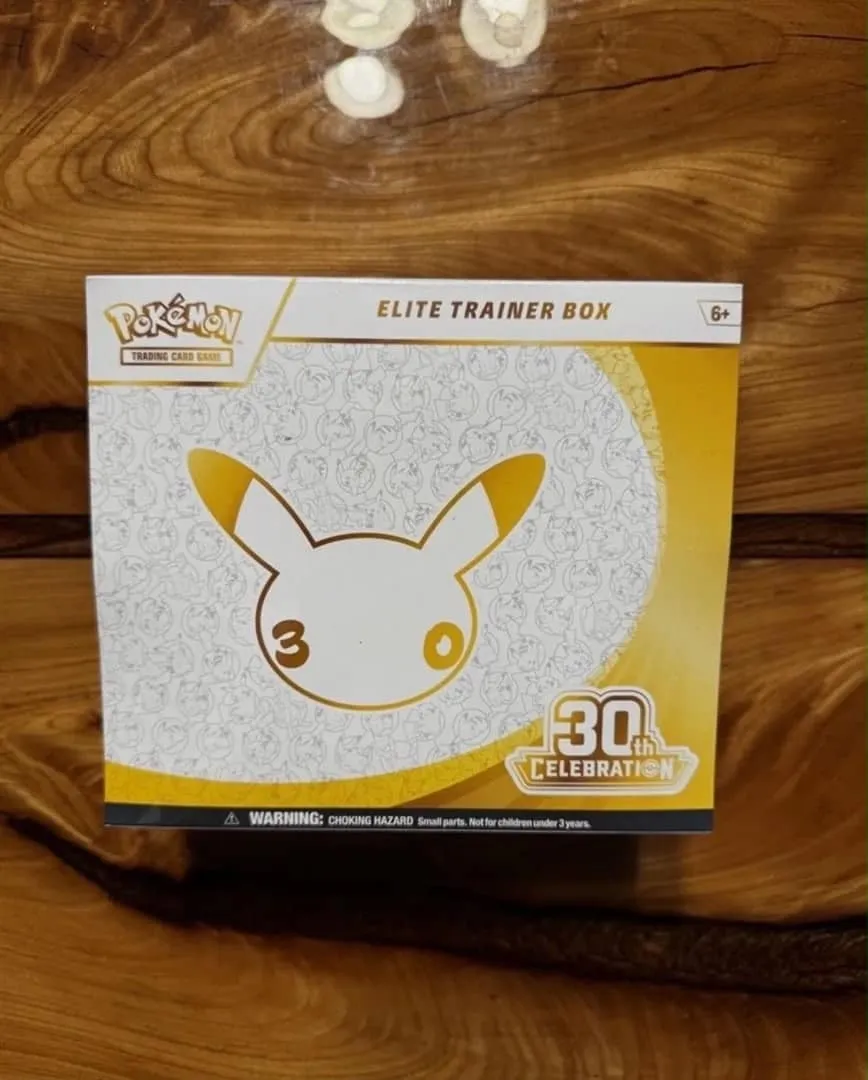
Elite Trainer Boxes are a favourite target.
They open and reseal easily, and the packs inside carry most of the value. Treat a second-hand ETB with the same suspicion as a vintage booster box, and weigh it too, since the outer box is often heavier than a buyer expects.
Cases are not automatically safer.
Distributor cases carry their own factory tape and print, and a case that has been cut and retaped is a box of unknowns. Match the case contents against the listing, check the factory tape for a second layer, and remember that a display box pulled from a compromised case is not the same product as one from a sealed carton.
At shows, control the transaction.
Inspect before you pay, use a traceable payment method, and ask the seller to describe the product in writing when the value is significant. A seller who will not let you handle the box before purchase is telling you something. A resealed box sold as sealed is not a bargain, it is misrepresentation, and the disclosure standard is simple: if it has been opened, say so. As a rule, a sealed box priced far under the market carries its reason inside the wrap.
No single check is proof.
The strongest position is three independent checks agreeing. Seam, vent holes and weight catch most of it. Add glue and print quality and you are down to genuinely skilled fakes, which in this hobby are rarer than the internet suggests, but not rare enough to skip the bench.